


Preventive dental care aims to protect the health of your teeth and gums before more serious problems appear. It relies on regular follow-up, hygiene habits suited to you, and professional treatment where the situation requires it.
This approach does not follow the same protocol for every patient. It takes account of the condition of the teeth, gum health, existing restorations, daily habits and the risk factors specific to each situation.
What is dental prophylaxis for?
Dental prophylaxis covers the treatments and advice intended to prevent decay, gum inflammation, tartar build-up and certain oral complications.
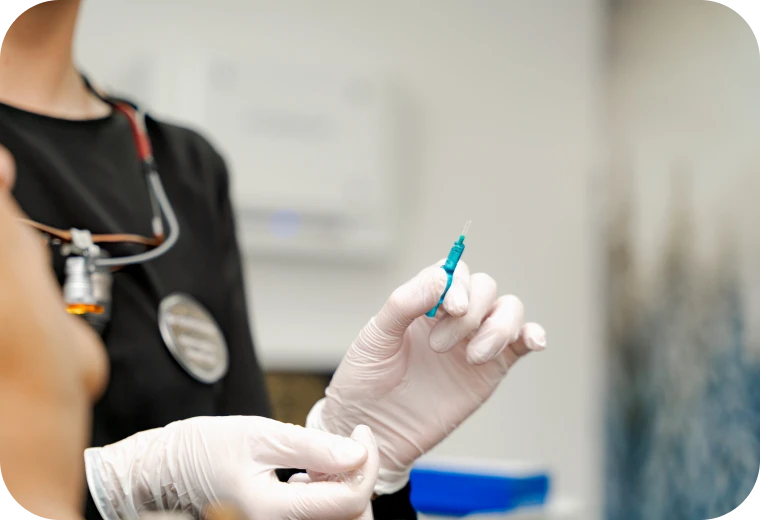
It is not limited to a one-off clean. It makes it possible to identify areas that are harder to maintain, assess hygiene habits and spot the early signs of inflammation, wear or weakness in the teeth.
The practitioner can then tailor recommendations and preventive treatment to your situation. The aim is to monitor what may change and to act proportionately when necessary.
Why have a preventive assessment?
A preventive assessment makes it possible to evaluate the mouth as a whole. The practitioner examines the teeth, the gums, the spaces between them, older restorations and the areas where plaque builds up more easily.
Even without pain, some situations can develop quietly. Early decay, gum inflammation, gradual wear or a weakened restoration are not always noticeable day to day.
The assessment also takes account of your dietary habits, your hygiene, any sensitivity and the treatment you have already had.
This analysis makes it possible to explain what needs watching, adapt your daily habits and determine whether preventive treatment should be considered.
The impact of dental plaque and tartar
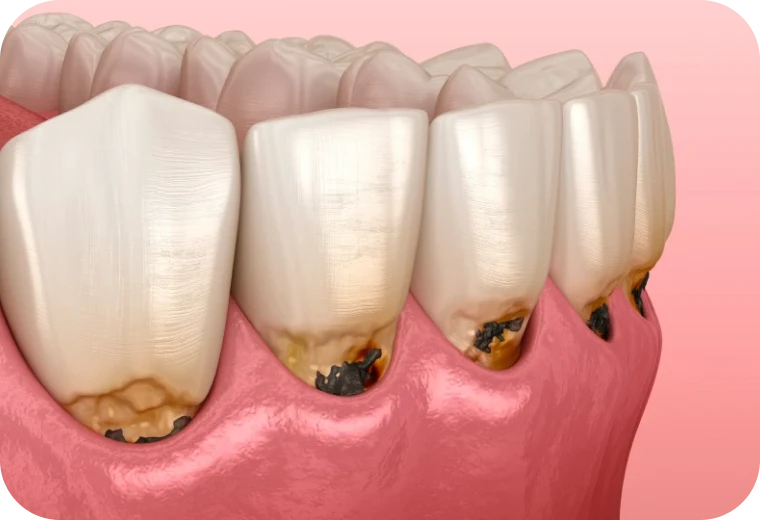
Dental plaque is a deposit made up of bacteria that forms naturally on the teeth. When it is not removed regularly, it can encourage decay and gum inflammation.
Over time, plaque can harden into tartar. This sticks to the tooth surfaces and can no longer be removed by brushing alone.
Prevention therefore aims to limit plaque build-up day to day. When deposits persist, a professional clean can complement what you do at home.
Adapting your hygiene habits
Hygiene needs are not the same for every patient. The shape of the teeth, the spaces between them and the presence of crowns, bridges, implants or braces can change which areas need cleaning and which tools are needed.
Brushing should be regular, gentle and thorough enough. Interdental cleaning also matters, because a toothbrush cannot always reach properly between the teeth.
Depending on your situation, a soft brush, interdental brushes, dental floss or other tools may be recommended.
The techniques are explained and adjusted. The aim is to build a routine suited to your mouth and simple enough to keep up over time.
Preventing decay
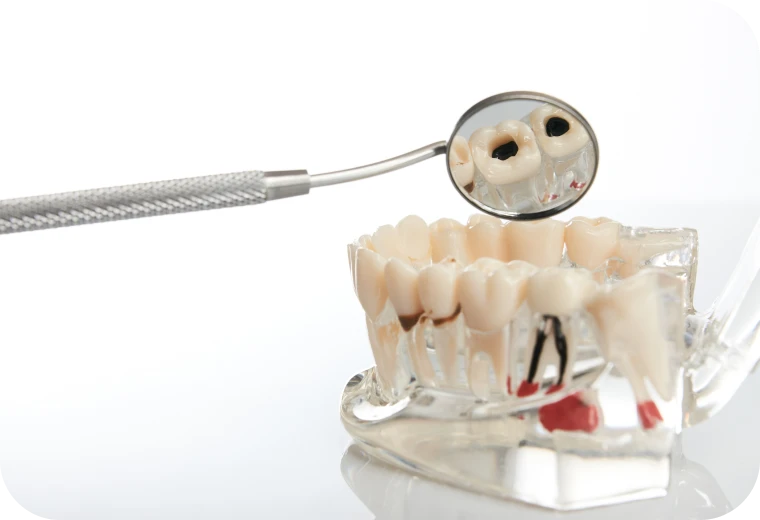
Decay develops when plaque bacteria turn certain sugars into acids. These acids gradually weaken the enamel and can then reach the deeper layers of the tooth.
Prevention rests on several elements: regular hygiene, good dietary habits and regular check-ups.
Some areas may need particular attention. These may be the fissures of the molars, the spaces between teeth, the margins of older restorations or surfaces that have become harder to clean.
When the assessment justifies it, additional measures can be discussed. A fluoride application or closer monitoring of certain areas may be considered.
Protecting gum health
The gums help hold the teeth in place and keep restorations stable. Gum inflammation can show as redness, bleeding, swelling or sensitivity when brushing.
These signs should be taken into account even when they cause no pain. Persistent inflammation may require adapting your hygiene, a professional clean or more specific treatment.
Gum prevention rests on controlling plaque, cleaning between the teeth and scaling where this is indicated.
Follow-up also makes it possible to observe how the tissues develop and spot the areas where inflammation returns more readily.

Monitoring restorations and implants
Prevention also covers treatment you have already had. An old filling, a crown, a bridge, a veneer or an implant-supported restoration may need regular monitoring.
The practitioner checks the condition of the restoration, the margins where it meets the tooth, gum health and how the whole contributes to chewing.
An area that is difficult to clean, discomfort, wear or a change in the tissues may lead to adapting your cleaning routine or considering treatment.
This monitoring helps protect the teeth, the surrounding tissues and the stability of restorations over time.
Professional preventive treatments
Depending on the situation, various treatments can complement daily hygiene.
Scaling can be carried out when tartar has built up. Air polishing may be indicated to remove certain surface stains and fine deposits. Fluoride treatment may be discussed when the enamel is weakened or the risk of decay is higher.
These treatments are not routine. Whether they are indicated depends on the clinical examination, your needs and how things develop from one appointment to the next.
They form part of a broader approach that combines the assessment, treatment carried out at the practice and adapting your daily habits.
Follow-up tailored to each patient
How often you need preventive appointments depends on each patient’s oral health.
Some people simply need regular check-ups. Others may need closer support in cases of decay risk, gum inflammation, periodontitis, implants or numerous restorations.
Needs can also change with age, with the treatment you have had, with lifestyle and with the condition of your teeth or gums.
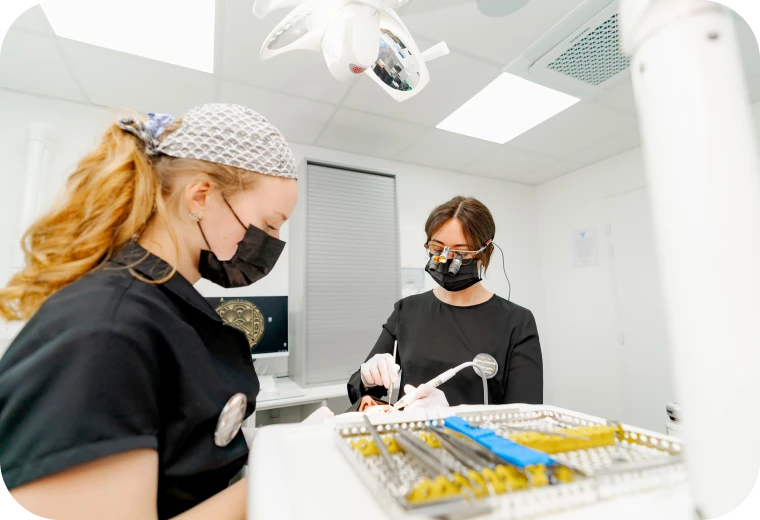
Follow-up makes it possible to adjust recommendations and treatment over time, rather than applying the same frequency to every patient.
Prevention: a time for treatment and for talking
A preventive appointment is also time devoted to understanding your oral health.
The condition of the teeth and gums is examined carefully: areas where plaque persists, gums that bleed, contact points that are hard to reach. The areas to watch are identified and advice is tailored to your daily life.
It is also a chance to mention what causes you trouble day to day: a gap where floss will not pass, an interdental brush that feels uncomfortable, bleeding that always returns in the same place.
This continuity makes it possible to follow how your oral health develops and to stay fully involved in prevention.
A consultation to define the right preventive follow-up
Bleeding when brushing, recurring tartar, risk of decay, restorations to monitor or difficulty cleaning certain areas: several situations can prompt a preventive assessment.
A consultation makes it possible to assess the teeth, the gums, existing restorations and your hygiene habits. It then allows us to define the advice, any treatment and the follow-up schedule suited to your situation.
Frequently asked questions
What is preventive dental care for?
Preventive dental care makes it possible to monitor the health of your teeth and gums, spot the first signs of weakness and tailor advice or treatment to each situation.
What is the difference between prevention and scaling?
Prevention is an overall approach that includes the assessment, hygiene advice, monitoring and any necessary treatment. Scaling can be part of it when it is indicated to remove tartar built up on the teeth.
Why do gums bleed when brushing?
Repeated bleeding can indicate gum inflammation. An examination makes it possible to look for the cause and check whether hygiene habits or treatment need adapting.
Is interdental cleaning necessary?
It is often recommended, because a toothbrush does not always clean properly between the teeth. The tools and techniques should be chosen to suit the shape of each mouth.
How often should you have a preventive check-up?
The frequency depends on the condition of the teeth, the gums, existing restorations and individual risks. It is defined after the assessment and then adjusted according to how things develop.

