


Dental veneers are thin, custom-made restorations designed to change the visible appearance of certain teeth. They can act on their shade, shape, volume or small irregularities, when the diagnosis shows that this approach is appropriate.
Whether they are indicated does not rest on an aesthetic request alone. The condition of the enamel, gum health, the position of the teeth, the bite, existing restorations and your expectations must all be studied before any decision. The aim is to build a plan consistent with the smile while preserving as much tooth tissue as possible.
When might veneers be considered?
Veneers mainly concern the teeth visible when you smile. They may be considered when certain teeth have a shade that is hard to harmonise, an irregular shape, small gaps, worn edges or less balanced proportions.
They may also be discussed when visible older restorations no longer blend consistently with the neighbouring teeth.

Every situation nevertheless requires precise analysis. A veneer is not an automatic answer to a request to improve the smile. The choice depends on the condition of the tooth, the quality of the enamel, gum health, the bite and the correction being sought.
The aesthetic and functional assessment
Before considering dental veneers, the practitioner studies the smile as a whole. The analysis covers the shade of the teeth, their shape, position and proportions, the gum line and how they appear at rest or when smiling.
The condition of the enamel also matters. A veneer bonds to the surface of the tooth, and the quality of that support directly influences the choice of treatment.
The assessment also takes account of the bite. The way the teeth meet during chewing can change the forces placed on restorations. Clenching or grinding must also be taken into consideration.
Photographs, an impression or digital modelling can complete this analysis. These materials help explain the possibilities, the limitations and the various stages of the plan.
Considering the alternatives before choosing
Several treatments can answer a request about the appearance of the smile. The choice depends on the origin of the concern and on the clinical situation.

When the request mainly concerns shade, tooth whitening can be discussed. A localised stain may require specific treatment. Orthodontic correction may be considered when the main issue is the position of the teeth. A more conservative restoration can sometimes be enough to change a shape or replace an older restoration.
Veneers are therefore considered after comparing the various possibilities. The assessment allows us to explain their indications and limitations so that we can settle on an approach suited to your functional and aesthetic needs.
Preserving tooth tissue
Preparing a tooth for a veneer must be thought through precisely. It depends on the position of the tooth, the correction required, the thickness needed for the restoration and the quality of the enamel available.
Depending on the situation, this preparation can be very limited. The aim is to keep as much healthy tooth tissue as possible while creating the conditions the veneer needs to bond well.
When the request can be met with a less invasive approach, that option is explored before settling on veneers. Preserving the tooth remains central to the decision.
Defining the shade, shape and volume
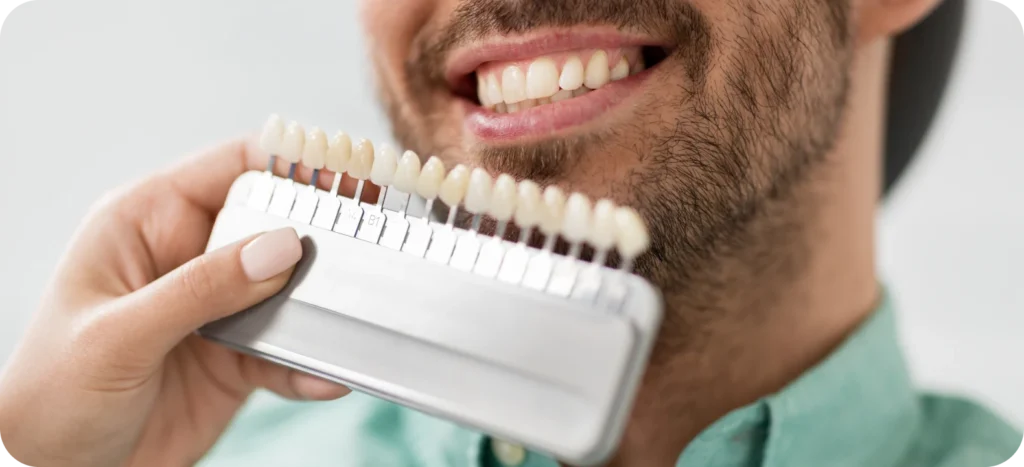
The shade of a veneer must match the neighbouring teeth and the smile as a whole. A colour that is too light or too uniform can create a contrast with the face or the natural teeth.
Shape and volume are studied with the same care. The length of the teeth, their proportions, the lip line and how they fit with the face all contribute to the balance of the plan.
The aim is not to apply the same template to every smile. It is to seek a consistent continuity between the restored teeth, the natural teeth, the gums and the expression of the face.
The role of the gums
The gums play an important role in how well veneers blend in. Their health influences how the shape of the teeth is perceived and the balance of the smile.
Inflammation, gum recession or an uneven gum line must be assessed before any work is carried out. The gum must be stable before veneer treatment begins.
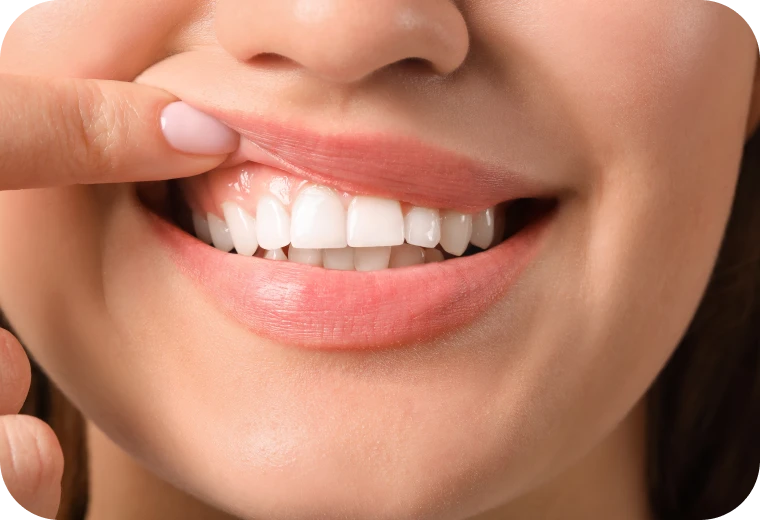
A stable gum makes it possible to define the contours of the future restoration more accurately and design the plan in a more favourable environment.
Chewing and the bite
Fitting a veneer means redrawing a tooth: its shape affects appearance, but also the contacts with the opposing teeth. It must therefore take account of how the teeth meet during chewing.
Before deciding that a veneer is indicated, the practitioner analyses the contacts between the teeth, any areas under excess load and habits such as clenching or grinding. These factors can influence the indication, the shape of the restoration and the follow-up required.
This functional analysis makes it possible to integrate veneers into the overall balance of the mouth, rather than considering only how they look.
The stages of the plan
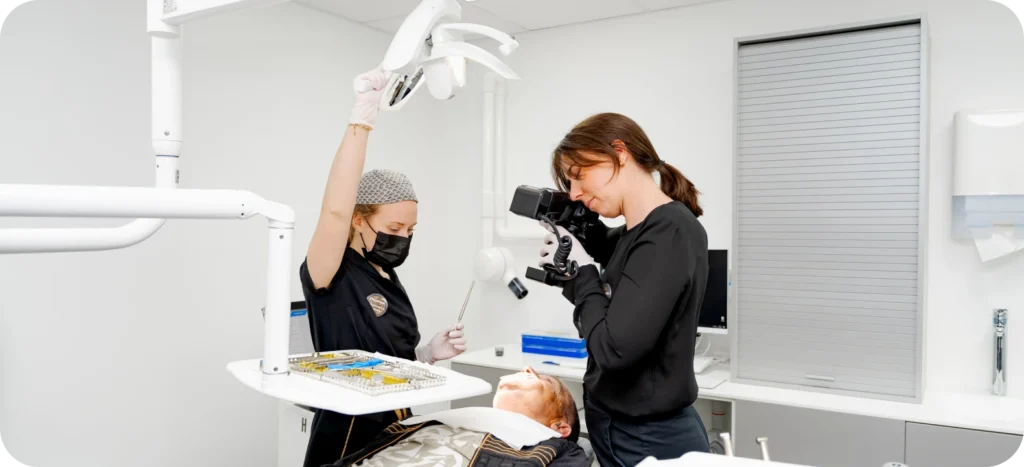
Making dental veneers begins with the assessment and defining the plan, with photographs, impressions and digital modelling. Try-ins are then arranged so you can see the changes being considered.
When the teeth need preparing, this is tailored to each tooth and to the correction being sought. An impression or a digital model is then used to design the custom-made veneers.
Before final fitting, the shade, shape, volume and how they blend into the smile are checked and confirmed before the final work is carried out.
Each stage is explained so that you can understand how treatment proceeds and take part in the decisions about your smile.
Caring for dental veneers
Veneers require regular hygiene and long-term follow-up. The restoration itself cannot decay like a natural tooth, but the tooth supporting it remains at risk of decay at the margins.
The gums must also stay healthy in order to keep the veneers well integrated. Brushing, interdental cleaning and regular check-ups make it possible to monitor the teeth, the tissues and the balance of chewing.
Certain habits such as clenching or grinding can place additional strain on ceramics. Follow-up makes it possible to adapt recommendations to your situation.
A plan built with you
Veneer treatment is built together with the patient. The various treatment options are presented along with their limitations.
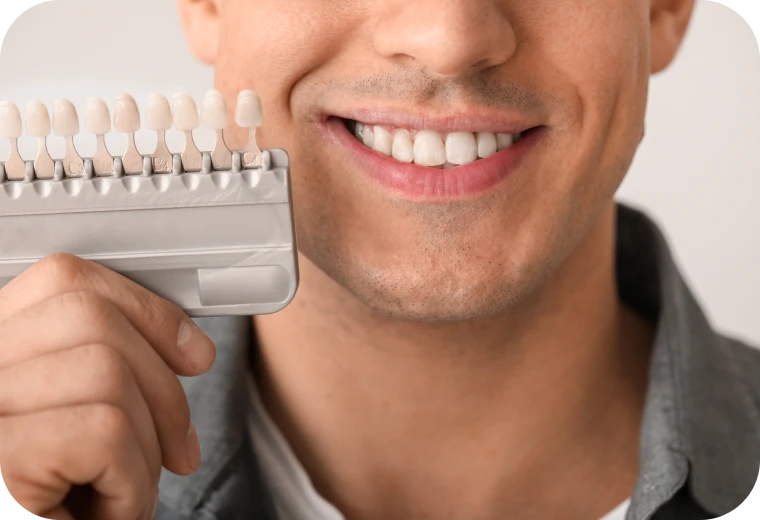
The plan is then visualised before any work begins: a simulation based on photographs, followed by a resin mock-up placed directly on the teeth, without preparing them. This makes it possible to discuss the shade, shapes and proportions before the final work.
A consultation to assess the possibilities
A shade that is hard to harmonise, worn teeth, irregular shapes, small gaps or visible older restorations: several situations can lead to considering dental veneers.
A consultation makes it possible to analyse the teeth, the enamel, the gums, the bite and the balance of the smile. It also allows the various options to be compared in order to check whether veneers are indicated or whether another approach should take priority.
Frequently asked questions
What are dental veneers for?
Veneers make it possible to change the visible appearance of certain teeth. They can act on their shade, shape, volume, small gaps or worn edges, when the diagnosis shows this approach is appropriate.
Are veneers suitable for every smile?
No. Whether they are indicated depends on the condition of the teeth, the quality of the enamel, gum health, the bite and the patient’s expectations. Other treatments may be more suitable depending on the situation.
Do veneers replace tooth whitening?
Not always. When the request concerns only the shade of the teeth, whitening can be discussed before considering veneers.
Do veneers require preparing the teeth?
Depending on the situation, some preparation may be needed. It depends on the position of the tooth, the correction being sought, the thickness of the restoration and the quality of the enamel. The aim is to preserve as much tooth tissue as possible.
How should dental veneers be cared for?
Care rests on careful brushing, cleaning between the teeth and regular check-ups. The supporting teeth, the gums and the balance of chewing must be monitored over time.

