


Fluoride treatment is a preventive measure intended to strengthen the enamel and reduce the risk of decay. It may be considered when the teeth are particularly fragile or when the risk of decay is higher.
Whether it is indicated depends on a precise assessment. The practitioner takes into account the condition of the teeth, any history of decay, daily hygiene, dietary habits and any factors likely to weaken the enamel. Fluoride treatment therefore forms part of a preventive approach tailored to each patient.
What is dental fluoride treatment for?
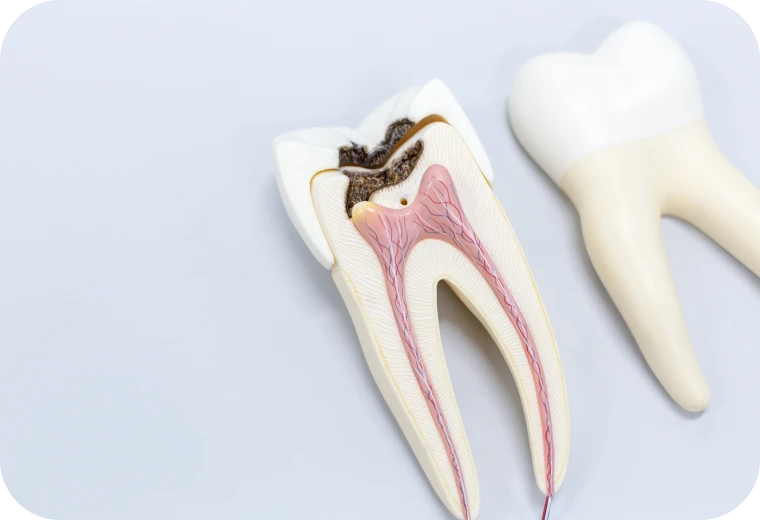
Enamel is the protective outer layer of the tooth. It is regularly exposed to the acids produced by plaque bacteria after eating certain foods or drinking sugary drinks.
Fluoride helps enamel resist these acid attacks better. It also helps protect areas that are beginning to demineralise, before deeper decay can form.
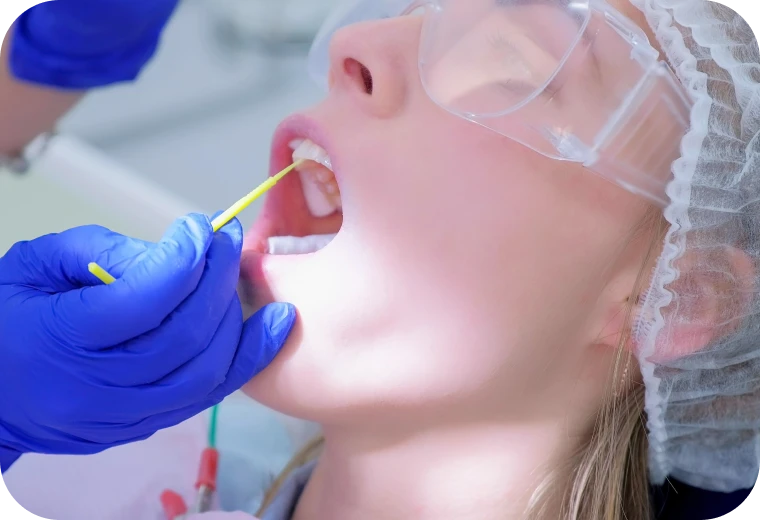
Fluoride treatment can be offered to children, teenagers or adults when the assessment shows a higher risk of decay. It does not replace brushing or other preventive measures. It complements them where the situation warrants it.
Why can enamel become weakened?
Enamel can be weakened when acid attacks become too frequent, or when plaque stays in contact with the teeth for long periods.
Frequent sugary snacks, insufficient hygiene, difficulty cleaning certain areas or a history of decay can all increase the risk of demineralisation.
Some periods also call for particular attention. Permanent teeth that have recently come through in children and teenagers can be more vulnerable. In adults, a dry mouth, gum recession or numerous restorations can make certain surfaces harder to protect.
When enamel loses some of its minerals, the tooth becomes more susceptible to acid attack. The assessment makes it possible to identify these areas and determine suitable preventive measures.
The assessment before fluoride treatment
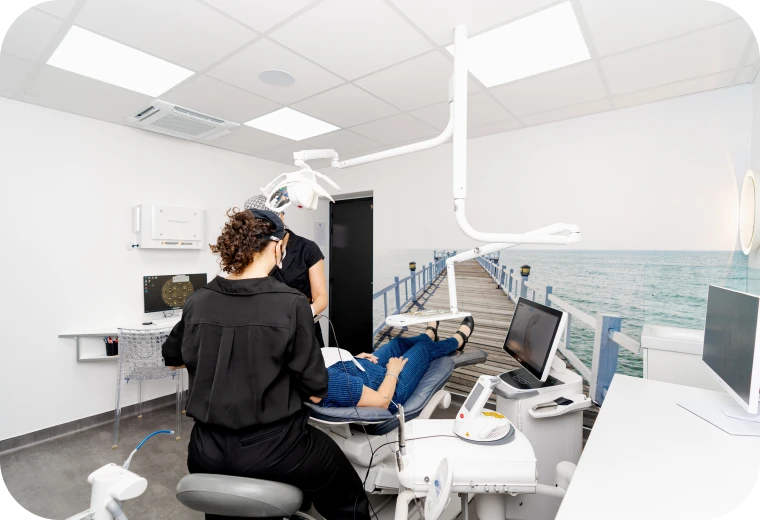
Before considering fluoride treatment, the practitioner examines the teeth, the gums and any existing restorations. They look for areas of demineralisation, current or past decay and surfaces where plaque builds up more easily.
The assessment also takes account of your dietary habits, how often you eat sugary foods, your daily hygiene and any sensitivity you may have.
This evaluation makes it possible to understand why the risk of decay is higher in certain areas. It also helps determine whether fluoride treatment is indicated or whether other measures should take priority.
Fluoride treatment does not replace treating an existing lesion, but it can complement a preventive approach before or after treatment, depending on the situation.
Fluoride treatment for children and teenagers
In children and teenagers, fluoride treatment may be discussed when the risk of decay is higher. Permanent teeth that have recently come through sometimes need particular monitoring, as their enamel continues to mature after they appear in the mouth.
The practitioner pays particular attention to the fissures of the molars, spaces that are difficult to clean and teeth that already show signs of weakness.
Prevention rests on several complementary elements: brushing suited to the child’s age, using fluoride toothpaste as advised, attention to how often sugary foods are eaten, and regular check-ups.
When fluoride treatment is indicated, its purpose and how it is carried out are explained to the child as well as to their parents. The treatment forms part of a gradual approach designed to make preventive habits easier to understand and to keep up day to day.
Fluoride treatment for adults
In adults, the risk of decay can change over time. Some areas become more vulnerable because of gum recession, a dry mouth, numerous restorations or difficulty with hygiene.
Roots exposed after the gum recedes do not have the same protection as the natural crown of the tooth. They need particular attention.
Fluoride treatment is also possible in cases of repeated decay, or when a medical condition or treatment alters the quality of the saliva.
The choice always depends on the assessment. Fluoride treatment then complements hygiene habits and the preventive care suited to the situation.
Fluoride treatment and tooth sensitivity
Some sensitivity can be linked to weakened enamel or to exposed dentine where the gum has receded.
In these situations, fluoride can help protect sensitive surfaces, depending on the cause of the discomfort and the condition of the tissues.
Sensitivity should not, however, automatically lead to fluoride treatment. It can also be linked to decay, a crack, wear, an old restoration or gum inflammation.
The assessment makes it possible to identify the cause of the sensitivity before proposing suitable treatment.
Treatment as part of overall prevention
Fluoride treatment alone is not enough to prevent decay. It forms part of a broader approach that combines daily hygiene, diet and dental follow-up.
Brushing must be regular and thorough enough to remove dental plaque. Interdental cleaning complements this in the spaces a toothbrush struggles to reach.
How often you eat sugary foods also plays an important role. Eating them repeatedly through the day exposes the teeth to acid attacks more often.
Advice is tailored to your age, your habits and the areas noted during the assessment. The aim is to build prevention that is consistent and simple enough to keep up over time.
Follow-up after fluoride treatment
Fluoride treatment forms part of regular oral health follow-up. Check-ups make it possible to monitor how weakened areas develop and to check whether new lesions appear.
The practitioner also assesses dental plaque, the condition of the gums and how effective your daily habits are.
Needs can change with age. Prevention is therefore adjusted over time according to what is observed.
Fluoride treatment can be repeated when the assessment justifies it. It is not carried out at the same frequency for every patient.
Support tailored to every age

Prevention is easier to keep up when it is understood. The purpose of fluoride treatment, how it is carried out and its place in your follow-up are therefore explained to you beforehand.
With children, support rests on explanations suited to their age and on a gradual approach. Parents are also given clear guidance on brushing, diet and follow-up.
With adults, recommendations take account of daily habits, any sensitivity and any difficulties in cleaning particular areas.
This support helps you understand why fluoride treatment is proposed and how it complements other preventive measures.
A consultation to assess the need for fluoride treatment
Repeated decay, weakened enamel, sensitivity, gum recession or areas that are difficult to clean: several situations can prompt an assessment of whether fluoride treatment would help.
A consultation makes it possible to examine the teeth, assess the risk of decay and determine whether fluoride treatment is indicated or whether other preventive measures should take priority.
Frequently asked questions
What does fluoride do for teeth?
Fluoride helps enamel resist the acid attacks caused by plaque bacteria. It contributes to preventing decay when used appropriately for the situation.
Is fluoride treatment only for children?
No. It can also be considered for adults in cases of higher decay risk, gum recession, dry mouth or weakened tooth surfaces.
Does fluoride treatment replace brushing?
No. It complements brushing, interdental cleaning, dietary advice and dental follow-up. These measures remain necessary to limit the risk of decay.
Can fluoride treatment be offered for sensitivity?
It can be discussed when the sensitivity is linked to weakened enamel or exposed dentine. An assessment is still needed to identify the cause of the discomfort.
Is an assessment needed before fluoride treatment?
Yes. The assessment makes it possible to evaluate the condition of the enamel, any history of decay, hygiene habits and risk factors before proposing suitable treatment.

